
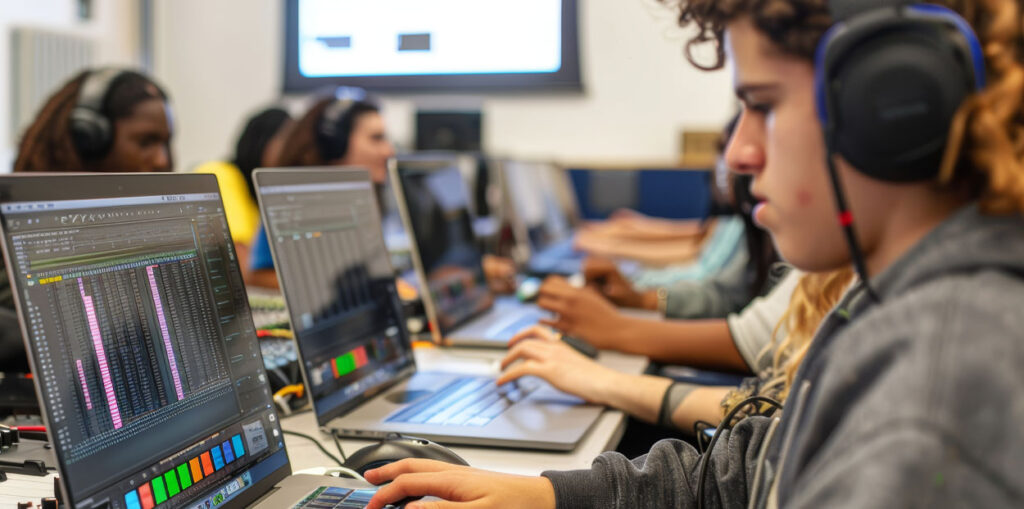
The shift toward hybrid and virtual learning environments has redefined the traditional classroom, bringing both flexibility and new sets of challenges. One of the most significant hurdles educators face in these digital spaces is maintaining high levels of student engagement. When students are physically separated from their instructors or peers, the quality of their audio connection becomes the primary bridge for learning. Without clear sound, that bridge weakens, leading to a disconnect that can hinder academic progress.=
The impact of audio quality on a student’s cognitive load cannot be overstated. When a student struggles to hear a lesson due to static, low volume, or environmental interference, their brain must work overtime to decode the missing information. This leaves less mental energy available for critical thinking, comprehension, and active participation. To mitigate this fatigue, many districts are prioritizing high quality school headsets to ensure that every word delivered by the teacher is heard with crystal clarity. By reducing the effort required to simply listen, students can dedicate their full focus to the curriculum.
Integrated noise cancellation and professional-grade microphones are also essential for fostering two way communication. In a virtual learning setup, background noise at a student’s home can make them hesitant to unmute and contribute to discussions. Specialized virtual learning audio tools are designed to filter out ambient sounds, such as a barking dog or a television in another room. When students know their voice will be heard clearly without distracting the rest of the class, they are much more likely to participate in collaborative projects and vocalize their questions.
Beyond the immediate acoustic benefits, the durability and ergonomics of hybrid classroom technology play a vital role in long term success. Consumer grade headphones often fail under the rigors of daily classroom use. Educational hardware is specifically engineered with reinforced cords, adjustable headbands, and easy to clean surfaces. These features ensure that the technology remains a reliable asset rather than a technical distraction that requires constant troubleshooting or replacement.
When administrators and IT directors evaluate equipment for their schools, they should look for several key features. First, consider the connection type to ensure compatibility with existing district devices. Second, look for padded ear cushions that provide comfort during extended periods of instruction. Third, prioritize models with flexible, noise canceling microphones that can be positioned easily by students of all ages. Finally, ensure the provider has a history of supporting educational institutions.
Investing in specialized audio solutions is a direct investment in the collaborative potential of every student. By removing the physiological and psychological barriers created by poor sound, educators can create an inclusive environment where all learners, including those with diverse learning needs, have an equal opportunity to succeed.
To provide your students with the best possible digital learning experience, it is important to choose equipment designed for the rigors of the modern classroom. We invite you to browse the curated selection of school headsets available at Encore Data Products to find the perfect fit for your specific needs.