
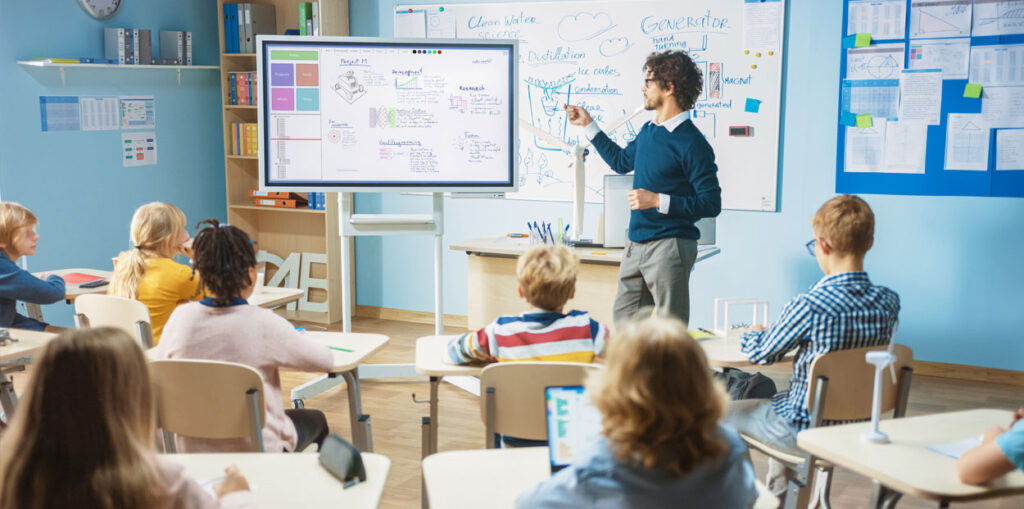
Technology is in the classroom from online lessons and educational videos to language learning programs and computer based assessments. With students spending more time interacting with digital content, school headsets have become a part of the technology toolkit for many K–12 schools.
The right classroom headset does more than just deliver audio. It can help students hear instructions clearly, participate in interactive activities, communicate through educational platforms and work more independently without adding unnecessary noise to the classroom.
Why School Headsets Matter in the Classroom
Imagine a classroom where 25 students are working on different activities on Chromebooks or tablets. Without headphones, overlapping audio can quickly become distracting. Individual headsets allow students to focus on their own work while the teacher can maintain a more manageable learning environment.
Headsets with microphones add another layer of functionality. A school headset with a microphone can support activities that require students to speak as well as listen, such as language practice, recorded assignments, virtual instruction and other interactive learning applications.
For schools investing in technology across multiple classrooms, versatility can be especially important.
What Should Schools Look for in Student Headsets?
School equipment faces conditions that consumer electronics don’t. Headsets will be used by multiple classes, transported between rooms, stored in bins and handled by students every day. That makes durability a key consideration.
Schools should evaluate:
- Durability: Headbands, cords, plugs and ear cushions should be able to withstand frequent classroom use.
- Comfort: Proper fitting headsets make longer lessons and assessments easier for students.
- Microphone functionality: A microphone is useful when students need two way audio or voice recording.
- Device compatibility: Schools should check if their computers and tablets use 3.5mm, USB, USB-C or another connection.
- Cleaning and storage: Headsets that are easy to organize and maintain simplify classroom technology management.
The best one depends on the students, devices, applications and budget involved.
Buying School Headsets With the Bigger Picture in Mind
Price matters when a district needs dozens, hundreds or thousands of headsets. But the lowest initial price doesn’t always mean the best long term value.Technology directors should consider how often the headsets will be used and if they will be assigned to individual students or shared. A headset designed for repeated classroom use may be suitable for a computer lab or daily learning program while economical options may be better for applications with different usage requirements.
Schools should also think ahead about connection standards. As device fleets change, choosing headsets that are compatible with current hardware can save on adapters and other hassles.
Equipping Students for Digital Learning
School headsets may seem like a small piece of educational technology but they can play a big role in creating effective digital learning environments. Clear audio, reliable microphones, comfortable designs and the right connections help students get the most out of the devices schools have already invested in.
Schools looking for classroom headsets, student headphones, earbuds and other educational technology accessories can check out Encore Data Products. The company supplies schools and districts with audiovisual products from established education focused brands so buyers can find the right equipment for different grade levels, applications, devices and budgets.
By considering durability, compatibility, comfort and intended use before buying, schools can get headsets that work for students today and make their technology budgets work harder over the long term.